
Lessons Demonstrated by Sofia Coppola
(and what they quietly teach you about being a girl in this world)
Every film by Sofia Coppola feels soft on the surface level. Pretty rooms. Gentle lighting. Girls who don’t raise their voices.
However, underneath that softness is something much sharper. Each girl is holding a truth that isn’t said out loud. Only lived in their experiences.
Watch extra closely and you’ll soon realise these films aren’t just aesthetic (although they really are, I love the cinematography in all of her films). They carry warnings, realisations, tiny, often unnoticed awakenings.
Lux Lisbon
(from The Virgin Suicides)

what she teaches:
being desired is not the same as being understood
Lux is surrounded by attention. People look at her like she’s the answer to something.
Yet nobody actually listens to her. She becomes an idea instead of a person, shaped by other peoples fantasies. And the more she’s admired, the less space she has to exist as herself.
the realisation: you can be the centre of attention and still feel completely invisible.
the shift: Stop measuring your worth by how intensely people want you. Ask instead: do they actually see me, or just what they want from me?
. ݁ ₊ ⊹ . ݁ ⟡ ݁ . ⊹ ₊ ݁.. ݁₊ ⊹ . ݁ ⟡ ݁ . ⊹ ₊ ݁.. ݁₊ ⊹ . ݁ ⟡ ݁ . ⊹ ₊ ݁.. ݁₊ ⊹ . ݁ ⟡ ݁ . ⊹ ₊ ݁.. ݁₊ ⊹ . ݁ ⟡ ݁ . ⊹ ₊ ݁.. ݁₊ ⊹ . ݁ ⟡ ݁ . ⊹ ₊ ݁.. ݁₊ ⊹ . ݁ ⟡ ݁ . ⊹ ₊ ݁..
Charlotte
(from Lost in Translation)
what she teaches:
not all confusion means you’re lost, sometimes it means you’ve outgrown where you are now in life.
Charlotte isn’t in crisis in an obvious, dramatic way, instead she’s just quietly disconnected.
From her relationship, from her surroundings, and from who she thought she’d be.
And instead of forcing clarity, she waits with the uncertainty.
the realisation: you don’t need a dramatic breakdown to justify feeling off.
the shift: pay attention to subtle dissatisfaction, and work through it rather than self sabotaging yourself with chaos made by your own hand.

. ݁ ₊ ⊹ . ݁ ⟡ ݁ . ⊹ ₊ ݁.. ݁₊ ⊹ . ݁ ⟡ ݁ . ⊹ ₊ ݁.. ݁₊ ⊹ . ݁ ⟡ ݁ . ⊹ ₊ ݁.. ݁₊ ⊹ . ݁ ⟡ ݁ . ⊹ ₊ ݁.. ݁₊ ⊹ . ݁ ⟡ ݁ . ⊹ ₊ ݁.. ݁₊ ⊹ . ݁ ⟡ ݁ . ⊹ ₊ ݁.. ݁₊ ⊹ . ݁ ⟡ ݁ . ⊹ ₊ ݁..
Marie Antoinette
(from Marie Antoinette)
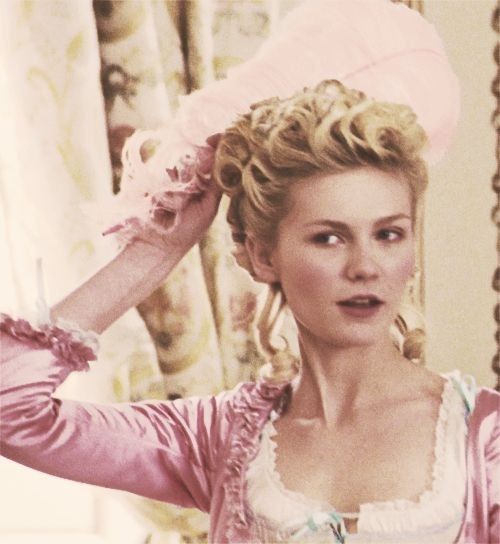
what she teaches:
you can build a beautiful life that still doesn’t feel like yours.
She surrounds herself with luxury. Beauty, and indulgence.
And for a while, it works. But Eventually, the aesthetic can’t hold the weight of reality.
the realisation: escapism feels like control, until it starts replacing real fulfilment.
the shift: enjoy beauty, but don’t hide inside it. A pretty life has not got the same qualities as a meaningful one. Make sure there is a strict balance.
. ݁ ₊ ⊹ . ݁ ⟡ ݁ . ⊹ ₊ ݁.. ݁₊ ⊹ . ݁ ⟡ ݁ . ⊹ ₊ ݁.. ݁₊ ⊹ . ݁ ⟡ ݁ . ⊹ ₊ ݁.. ݁₊ ⊹ . ݁ ⟡ ݁ . ⊹ ₊ ݁.. ݁₊ ⊹ . ݁ ⟡ ݁ . ⊹ ₊ ݁.. ݁₊ ⊹ . ݁ ⟡ ݁ . ⊹ ₊ ݁.. ݁₊ ⊹ . ݁ ⟡ ݁ . ⊹ ₊ ݁..
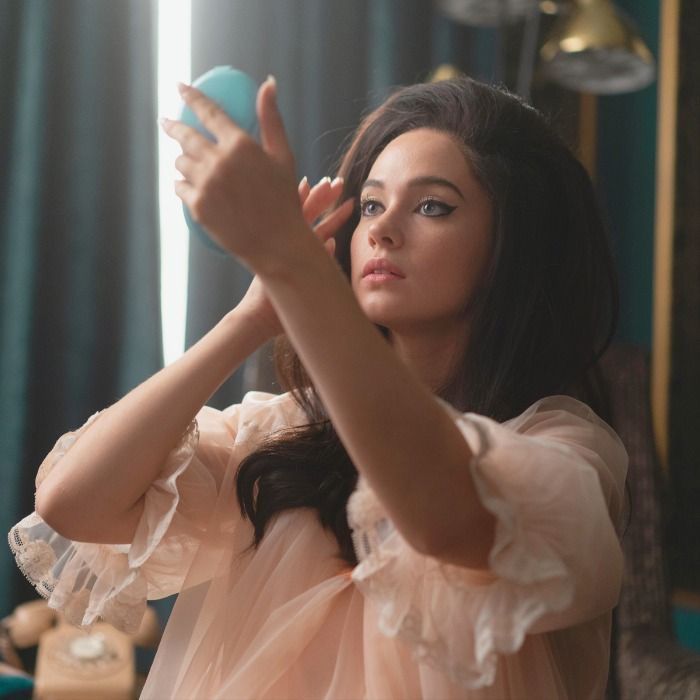
Priscilla
(from Priscilla)
what she teaches:
you don’t lose yourself all at once, you lose yourself gradually.
every time you keep quiet when you disagree with someone, every time you try to fit in a place you know you don’t belong, and every time you say yes when you really want to say no.
Priscilla didn’t one day wake up erased. It was when she started to adjust to someone else’s preferences. Waiting. Shrinking. Becoming easier to love.
the realisation: control rarely feels like control at the beginning.
the shift: pay attention to where you’re compromising your identity to maintain love. That’s where the real loss begins.
. ݁ ₊ ⊹ . ݁ ⟡ ݁ . ⊹ ₊ ݁.. ݁₊ ⊹ . ݁ ⟡ ݁ . ⊹ ₊ ݁.. ݁₊ ⊹ . ݁ ⟡ ݁ . ⊹ ₊ ݁.. ݁₊ ⊹ . ݁ ⟡ ݁ . ⊹ ₊ ݁.. ݁₊ ⊹ . ݁ ⟡ ݁ . ⊹ ₊ ݁.. ݁₊ ⊹ . ݁ ⟡ ݁ . ⊹ ₊ ݁.. ݁₊ ⊹ . ݁ ⟡ ݁ . ⊹ ₊ ݁..
Cleo
(from The Bling Ring)

what she teaches:
if your identity is built on attention, it will collapse without it.
Cleo exists in reflection. Mirroring celebrities, trends, images. She isn’t asking “who am I?” but instead, she’s asking “how do I look?”
And that difference changes everything.
the realisation: performing a life can feel the same as living it, until suddenly, it doesn’t.
the shift: build a self that exists when nobody is watching. otherwise, you’ll begin to feel like you need an audience to feel real.
Final Thoughts
none of these girls are failures, nor are they perfect. they’re in the middle of something, and that’s the pattern. Sofia Coppola doesn’t show finished women. She shows awareness in progress. The moment a girl starts to realise : “this isn’t love”, “this isn’t me”, or “this isn’t enough”. that moment is the story.
watching these films is about recognizing not just relating.
- where you’re being projected onto
- where you’re drifting
- where you’re hiding
- where you’re slowly disappearing
- where you’re finally starting to see
and once you see it, you can’t unsee it
. ݁ ₊ ⊹ . ݁ ⟡ ݁ . ⊹ ₊ ݁.. ݁₊ ⊹ . ݁ ⟡ ݁ . ⊹ ₊ ݁.. ݁₊ ⊹ . ݁ ⟡ ݁ . ⊹ ₊ ݁.. ݁₊ ⊹ . ݁ ⟡ ݁ . ⊹ ₊ ݁.. ݁₊ ⊹ . ݁ ⟡ ݁ . ⊹ ₊ ݁.. ݁₊ ⊹ . ݁ ⟡ ݁ . ⊹ ₊ ݁.. ݁₊ ⊹ . ݁ ⟡ ݁ . ⊹ ₊ ݁..
9 Responses
This was so thoughtful and well written! I absolutely love <3
Love love love it!!!
this is perfect I just did a Sofia Coppola marathon with my friends so this is perfect now really understand the girls
awhh i love that so much !
Your writing was so eloquent and well analyzed!!
i love this omg
ugh perfect
live laugh love Sofia Coppola
Interesting perspective. If you ever create a film I’ll be sat!