
How Celebrity Culture Completely Took Over the 2000s
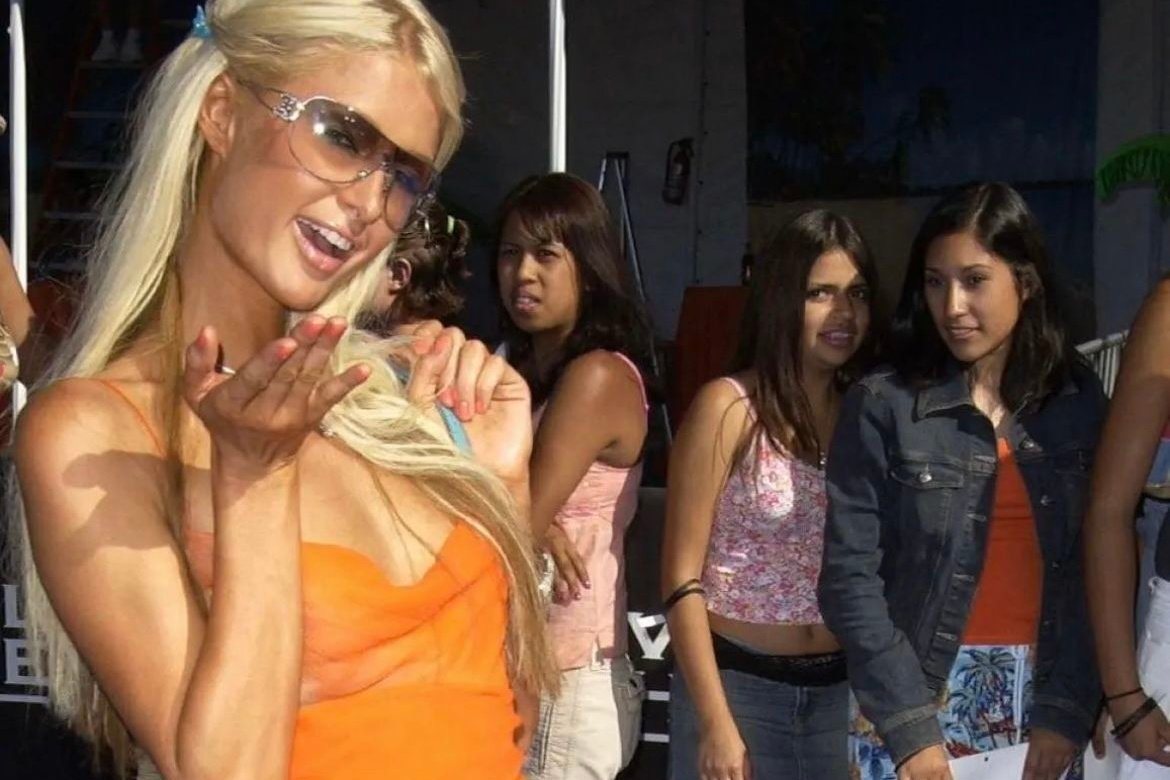
There was a time when celebrities couldn’t walk their dog, buy a coffee, go to the gym, pump petrol, pick up their children from school, or even cry in public without cameras documenting it.
For people who didn’t live through it, that might sound exaggerated.
But it wasn’t, and I mean it really wasn’t. The 2000s paparazzi era was one of the most intense periods in celebrity culture history. It shaped fashion trends, launched gossip empires, created household names, and changed the way we viewed fame forever.
To understand the 2000s, you have to understand the paparazzi.
First Things First: What Exactly Is A Paparazzo?
A paparazzo is a freelance photographer who takes pictures of celebrities and sells them to magazines, newspapers, websites, or television outlets.
The more exclusive the photo, the more money it could earn.
A celebrity attending a red carpet event? Interesting.
A celebrity caught kissing a secret boyfriend outside a restaurant at midnight? Worth far more.
An emotional breakdown? A public argument? A celebrity leaving rehab?
Those photographs could sell for enormous sums, and by the early 2000s, paparazzi photography had become a massive industry.

Why Did It Explode In The 2000s?
1. Celebrity Obsession
The late 1990s and early 2000s created a new type of celebrity. Stars weren’t just actors or singers anymore, people wanted to know everything.
Who was dating who?
Who was feuding?
Who got a nose job?
Who wore the same dress?
Who left a nightclub with whom?
Celebrities became ongoing stories rather than simply entertainers.

. ݁ ₊ ⊹ . ݁ ⟡ ݁ . ⊹ ₊ ݁.. ݁₊ ⊹ . ݁ ⟡ ݁ . ⊹ ₊ ݁.. ݁₊ ⊹ . ݁ ⟡ ݁ . ⊹ ₊ ݁.. ݁₊ ⊹ . ݁ ⟡ ݁ . ⊹ ₊ ݁.. ݁₊ ⊹ . ݁ ⟡ ݁ . ⊹ ₊ ݁.. ݁₊ ⊹ . ݁ ⟡ ݁ . ⊹ ₊ ݁.. ݁₊ ⊹ . ݁ ⟡ ݁ . ⊹ ₊ ݁..
2. The Tabloid Boom
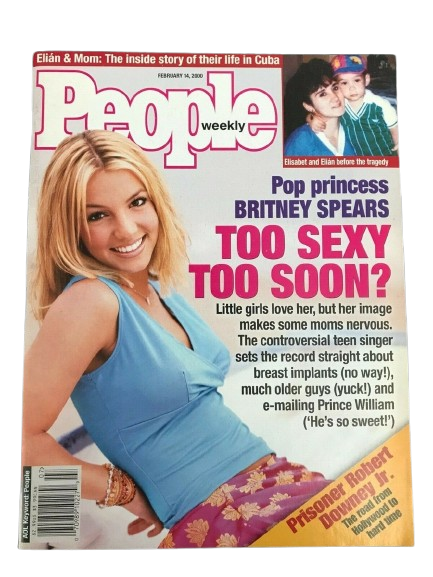
Magazine racks were packed with celebrity publications and every single supermarket checkout seemed to have endless covers screaming:
“SHOCK SPLIT!”
“SECRET ROMANCE!”
“PREGNANT?”
“CAUGHT!”
Whether the stories were true, exaggerated, or completely speculative, they sold. And I mean millions of copies every week just because readers couldn’t get enough celebrity gossip.
. ݁ ₊ ⊹ . ݁ ⟡ ݁ . ⊹ ₊ ݁.. ݁₊ ⊹ . ݁ ⟡ ݁ . ⊹ ₊ ݁.. ݁₊ ⊹ . ݁ ⟡ ݁ . ⊹ ₊ ݁.. ݁₊ ⊹ . ݁ ⟡ ݁ . ⊹ ₊ ݁.. ݁₊ ⊹ . ݁ ⟡ ݁ . ⊹ ₊ ݁.. ݁₊ ⊹ . ݁ ⟡ ݁ . ⊹ ₊ ݁.. ݁₊ ⊹ . ݁ ⟡ ݁ . ⊹ ₊ ݁..
3. The Internet Changed Everything
Then came gossip blogs.
Suddenly celebrity news didn’t have to wait until next week’s magazine issue.
Photos could be uploaded instantly,
Rumours spread within minutes,
And entire websites were dedicated to tracking celebrities throughout their day.
For the first time in history, celebrity culture became a 24 hour cycle.

The Rise Of The “It Girl”
The paparazzi era created a new celebrity archetype:
The It Girl.
An It Girl wasn’t necessarily famous because of movies or music, she was famous because people couldn’t stop watching her.
Some of the defining It Girls of the era included:
- Paris Hilton
- Nicole Richie
- Lindsay Lohan
- Mischa Barton
Photographs of these women walking down the street could generate international headlines.
Imagine becoming front page news because you went shopping.
That was normal..
The Car Chase Culture
One of the darkest aspects of the era was how aggressively some photographers pursued celebrities.
Groups of photographers would wait outside restaurants, airports, hotels, gyms, and nightclubs.
Celebrities were often followed by multiple vehicles.
Crowds of photographers could gather around cars, shout questions, and surround entrances.
Some stars described feeling like they were constantly being watched.
Today, many of those images look less glamorous and more unsettling.

Britney Spears: The Face Of The Paparazzi Era
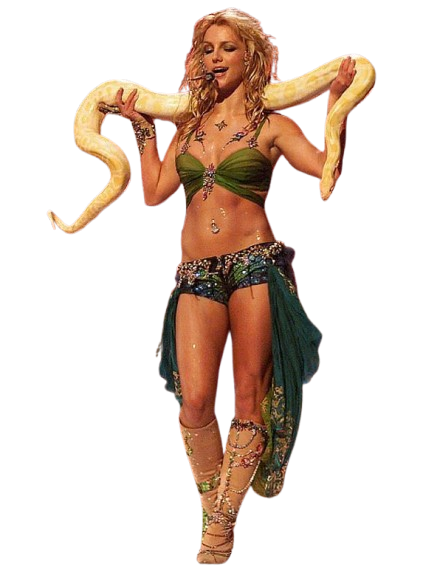
If one person symbolises the excesses of 2000s celebrity culture, it is Britney Spears.
By the mid 2000s, every aspect of her life had become public entertainment.
Photographers followed her almost continuously. And invasively, magazine covers analysed her relationships, parenting, appearance, mental health, and personal struggles.
Moments that should have remained private became global headlines.
Television programmes, gossip blogs, and tabloids reported on her almost daily, making her one of the most photographed people in the world. Her experiences became emblematic of an era in which the public’s appetite for celebrity news often outweighed concerns for personal privacy.
Looking back, many people now see Britney’s experience as a turning point in conversations about media ethics, privacy, and the human cost of fame.
How Paparazzi Photos Shaped Fashion
Ironically, some of the decade’s biggest trends weren’t launched on runways. Instead, they were launched in parking lots.
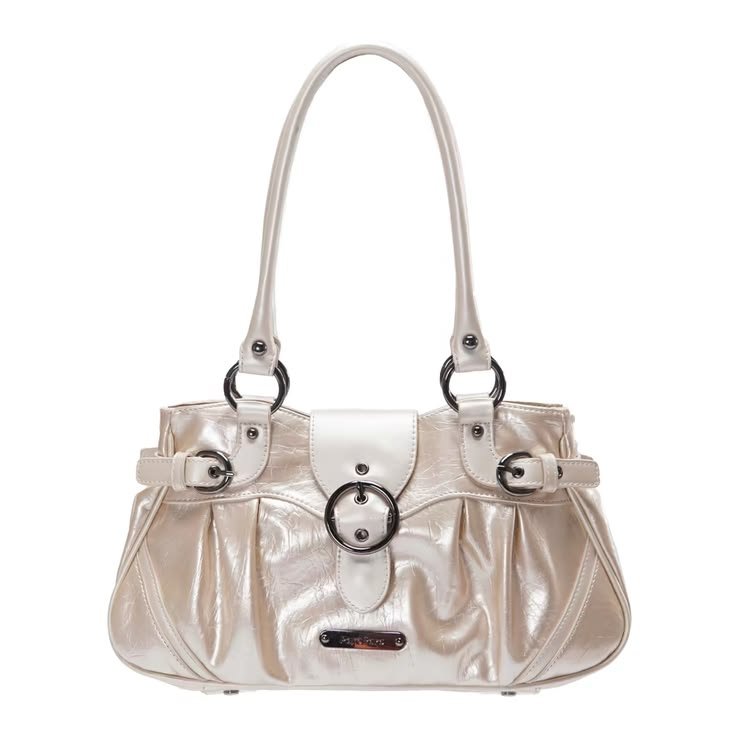
A celebrity carrying a handbag in candid photos could spark a waiting list, a pair of sunglasses could sell out nationwide and an airport outfit could become a trend.
The paparazzi era gave us:
- Juicy Couture tracksuits
- Oversized handbags
- UGG boots
- Low rise jeans
- Ballet flats
- Von Dutch trucker hats
- Tiny dogs carried as accessories
- Giant sunglasses covering half your face
For many teenagers, candid celebrity photos became fashion inspiration boards years before pinterest existed.
The End Of The Paparazzi Golden Age
Then social media arrived, and everything changed.
Celebrities no longer had to rely on magazines to communicate with fans, they could upload their own photos, share their own stories, control their own image, announce relationships themselves and address rumours directly.
The power slowly shifted away from gossip magazines and towards celebrities.
Fans no longer had to wait for the latest magazine issue or tune into entertainment news to see what their favourite stars were doing. Instead, celebrities could share updates instantly, giving audiences a more direct, and often more carefully managed, glimpse into their lives.
Why pay thousands for blurry paparazzi photos when stars were posting crystal clear selfies for free?
Why The Paparazzi Era Still Fascinates Us
The paparazzi era wasn’t exclusively about celebrity gossip, but also about an entire culture.
It was a world of glossy magazines, flashbulbs, tabloid headlines, pink motorola razrs, gossip blogs, velvet tracksuits, and the feeling that Hollywood’s biggest stars were somehow always within reach.
It gave us iconic fashion, unforgettable pop culture moments, and some of the most recognisable celebrity images ever taken.
But it also revealed something darker: what happens when fame becomes a spectator sport and privacy becomes a luxury.
The 2000s sold us a fantasy that celebrities were living a glamorous, endless party. Yet the reality was often far more complicated.
And that’s why the paparazzi era remains one of the most fascinating chapters in pop culture history. Not because of the gossip itself, but because it changed the relationship between celebrities, the media, and the public forever.
For better and for worse, the flashbulbs of the 2000s left a mark that can still be seen today.

. ݁ ₊ ⊹ . ݁ ⟡ ݁ . ⊹ ₊ ݁.. ݁₊ ⊹ . ݁ ⟡ ݁ . ⊹ ₊ ݁.. ݁₊ ⊹ . ݁ ⟡ ݁ . ⊹ ₊ ݁.. ݁₊ ⊹ . ݁ ⟡ ݁ . ⊹ ₊ ݁.. ݁₊ ⊹ . ݁ ⟡ ݁ . ⊹ ₊ ݁.. ݁₊ ⊹ . ݁ ⟡ ݁ . ⊹ ₊ ݁.. ݁₊ ⊹ . ݁ ⟡ ݁ . ⊹ ₊ ݁..
14 Responses
I love this so much🪽💗🧁
This is amazing! The lengths paparazzi go to disgust me. I also really loved the off-duty, yet chic style of clothing that popular celebrities wore during that time.
You are so good at writing! I genuinely loved this!! ❦
I miss magazines like these so much.
Omg tysm! I’ve always had an interest towards these types of things. <3
could you write about lindsay lohan and paris hilton’s beef when you have time?? <3
YESSSSSSS!!!
OMG YES
“some of the decade’s biggest trends weren’t launched on runways. Instead, they were launched in parking lots” , how clever. Love this post
i loved this article! candid photos of celebrities will always be my favs
i love this sm its so interesting ❤︎
this is so sad:( poor Britney. this is very good to know thooo
im reading this off my school chromebook in class
LOVE IT!!! I never thought I’d be interested in things like this, but here I am! I always associated the 2000s just with low-rise jeans, Britney Spears, and bright colors—but ever since I started diving deeper into these topics, I’ve discovered that it’s all much more interesting than I imagined! It would be wonderful to read more posts like this!